
Dermatology Blog
Skin care tips, treatment guides, and the latest news from our board-certified dermatologists. Knowledge to help you keep your skin healthy year-round.
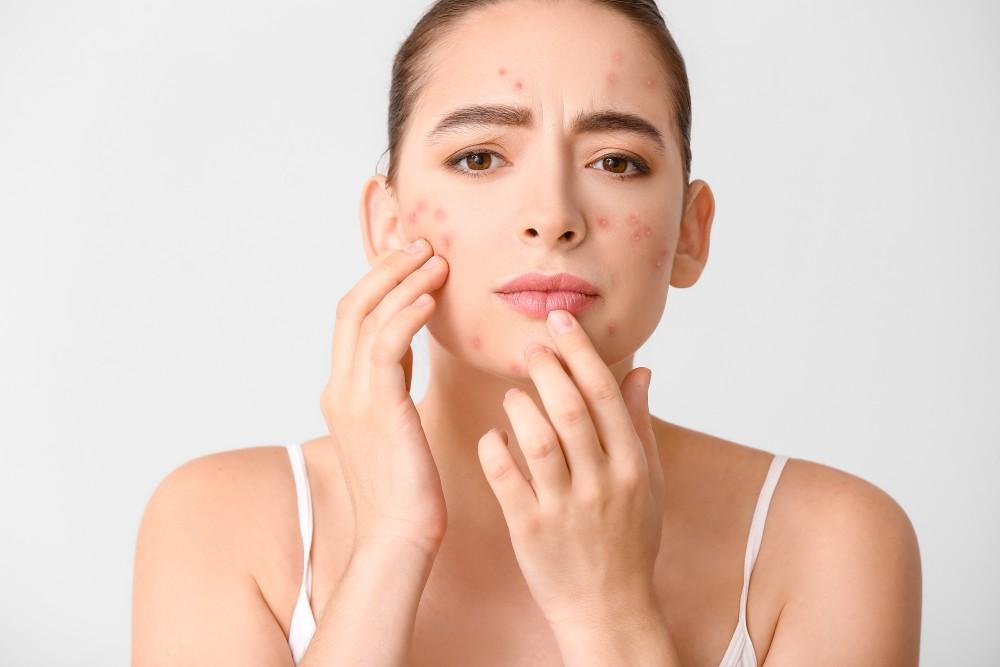
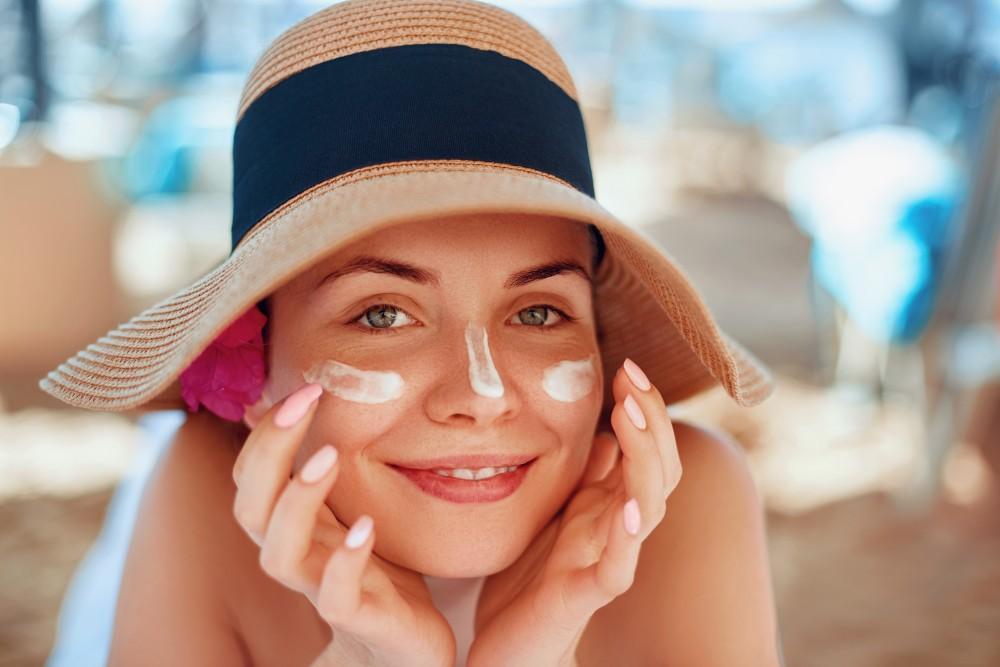
Skincare Dos and Don'ts from a Dermatologist
A dermatologist's guide to the eight key dos and don'ts for healthy skin, from wearing daily sunscreen and checking for signs of skin cancer to avoiding overwashing and popping pimples.
Read More →
Supporting Your Child with Eczema
Eczema is a common inflammatory skin condition in babies and children that causes dry, itchy, recurring rashes. Learn how to recognize eczema, what triggers flare-ups, and the supportive steps you can take to soothe and protect your child's skin.
Read More →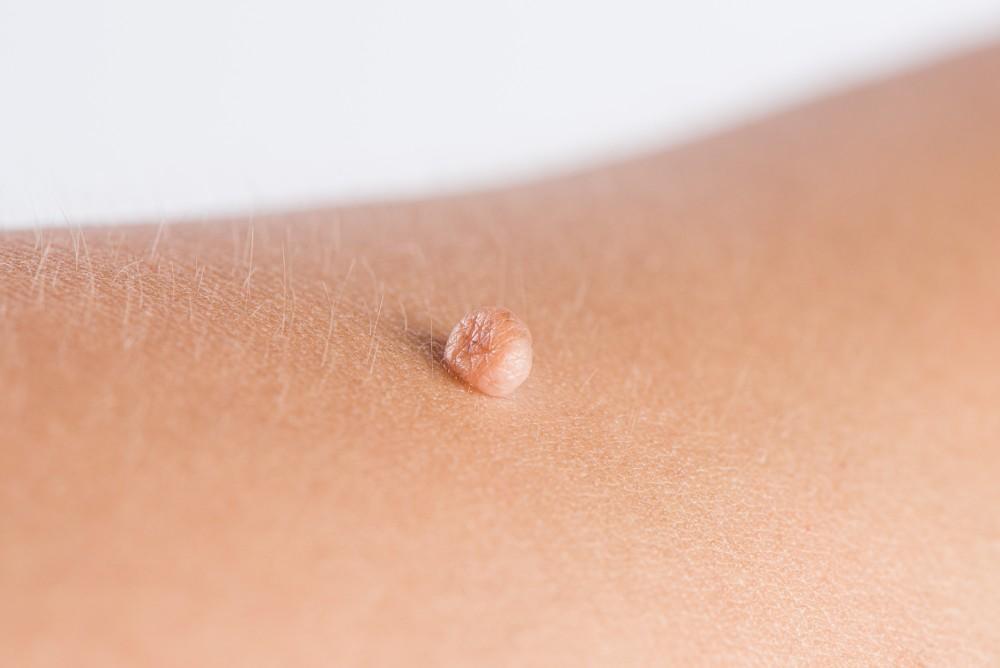
Where Did These Skin Tags Come From?
Skin tags are harmless growths that commonly develop with age, often where skin rubs together. Learn how skin tags form, where they appear, and the safe removal options available.
Read More →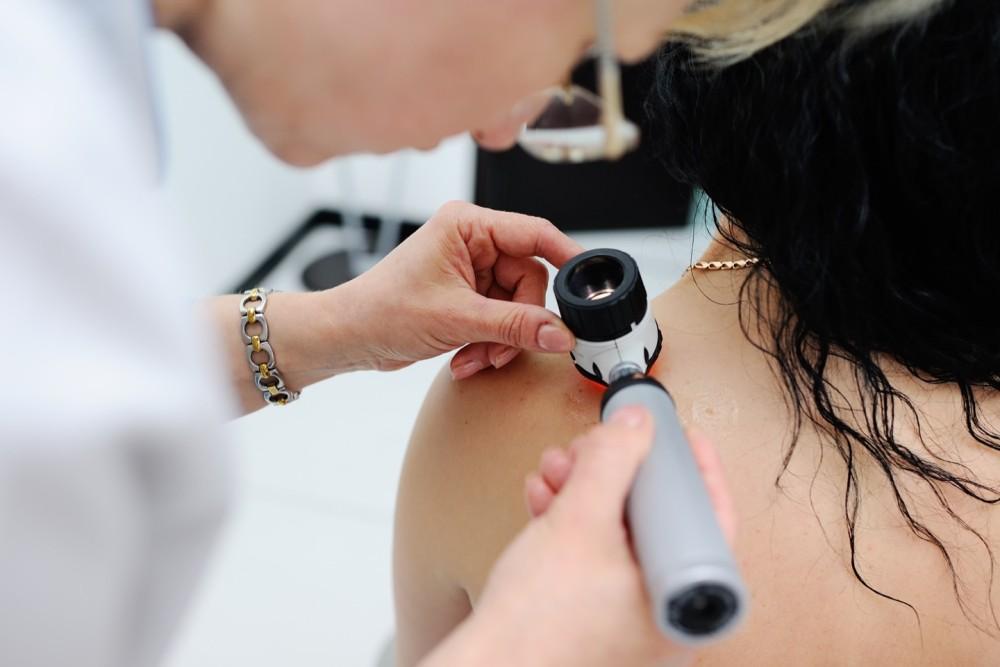
Help! My Teen Has Warts
Teens often pick up warts in damp public spaces like locker rooms and pools where HPV thrives. Learn how to spot warts, the treatment options that clear them faster, and simple steps to prevent the spread.
Read More →
New Year, New Skin: 3 Resolutions for a Healthier Glow
Start 2026 with three simple resolutions for brighter, healthier skin: wear sunscreen daily, quit smoking, and schedule regular resurfacing treatments like chemical peels and laser resurfacing.
Read More →
Look Your Best for the Holidays with Botox® and Fillers
Botox® and fillers can give you a subtle, refreshed look in time for holiday gatherings. Learn what each treatment does, how long results last, and why to book at least a week ahead.
Read More →
5 Tips for Healthy Holiday Skin
Cold, dry holiday air can highlight dryness and wrinkles, making late autumn the perfect time to prioritize your skin. Discover five dermatologist-recommended treatments, from chemical peels to microneedling, to help your skin glow for holiday photos and parties.
Read More →
Is Your Skin Ready for Fall? 3 Ways to Prepare
As Florida's weather cools in fall, lower humidity can leave skin drier and irritated. Learn three ways to prepare your skin for the season, from optimizing your skincare routine to chemical peels and Botox.
Read More →
3 Ways PCOS Can Affect Your Skin — And How We Can Help
PCOS affects more than your reproductive system — hormone fluctuations can trigger acne, excess hair growth, and dark skin patches. Learn how Orlando Dermatology Center treats these common PCOS-related skin issues.
Read More →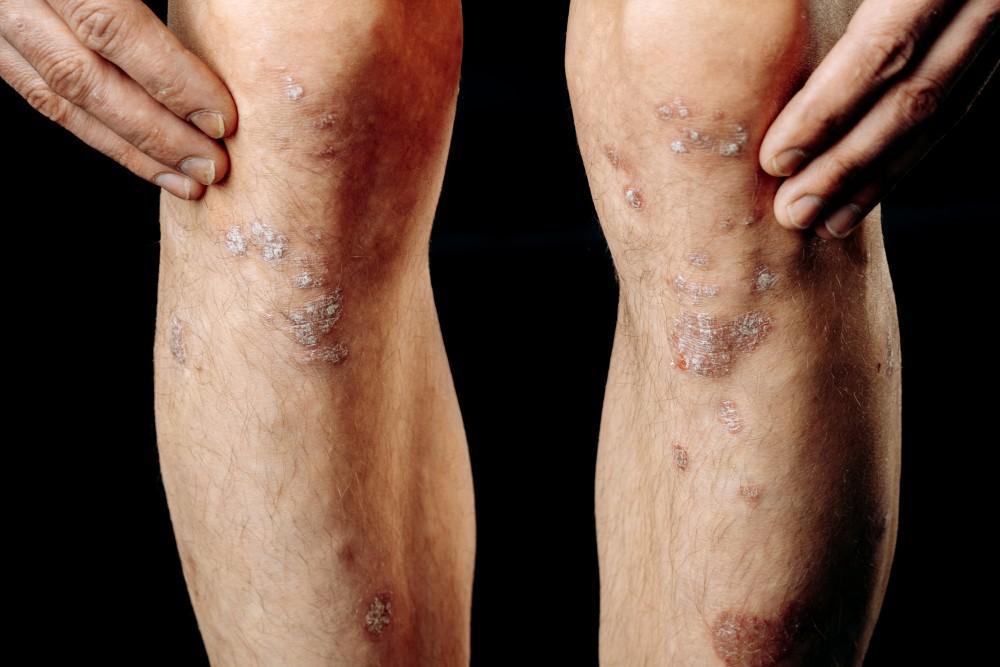
4 Possible Psoriasis Complications (and How to Reduce Your Risk)
Psoriasis can lead to complications beyond the skin, including psoriatic arthritis, heart disease, eye problems, and Type 2 diabetes. Learn the four most common complications and simple lifestyle steps to lower your risk.
Read More →
Androgenetic Alopecia: Understanding Your Treatment Options for Male-Pattern Hair Loss
Male-pattern hair loss (androgenetic alopecia) is genetic and can't be prevented, but several treatments can help. Learn about hair growth medications, laser therapy, and hair transplant surgery offered at Orlando Dermatology Center.
Read More →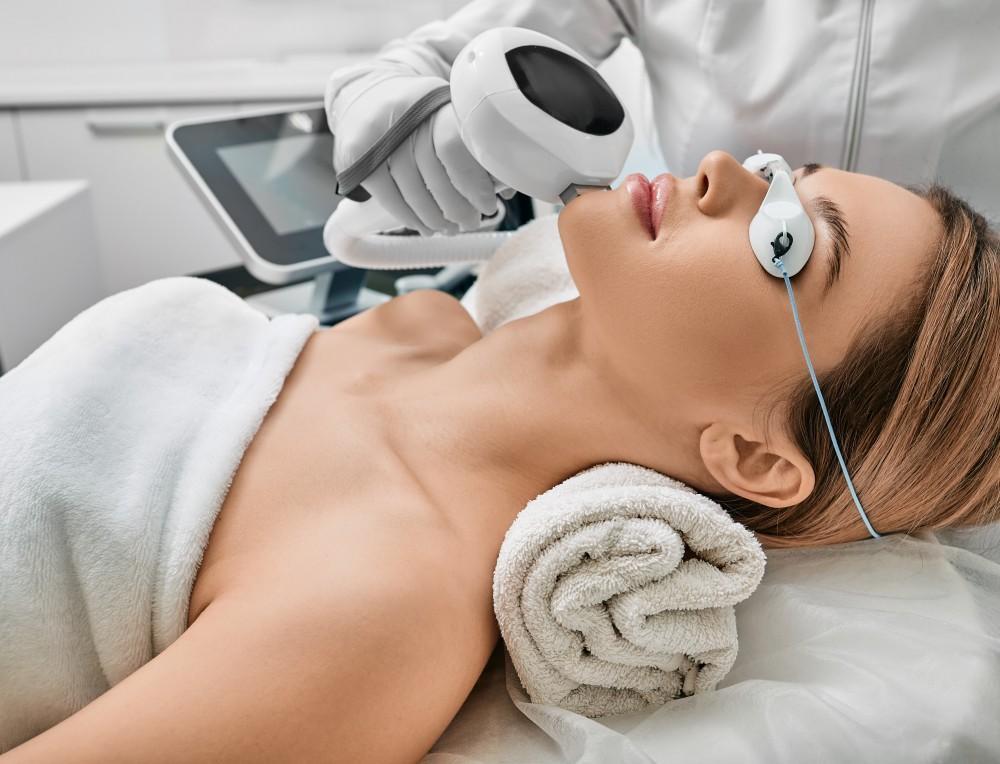
IPL Treatments for Rosacea: What to Expect
IPL laser rejuvenation uses broadband light to break down redness and broken blood vessels caused by rosacea. Learn how the treatment works, what to expect during each session, and the benefits of this gentle, adjustable photofacial.
Read More →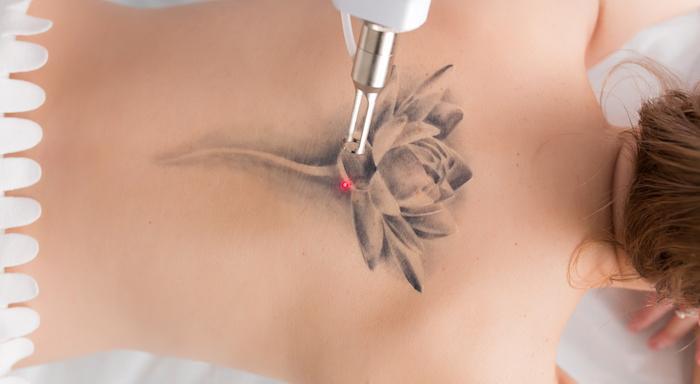
I Regret My Tattoo: Can You Help?
Regret a tattoo? Modern laser treatments make tattoos far less permanent than they once were. Learn how laser tattoo removal works, what to expect during sessions, and how long the process takes.
Read More →
What Is This Spongy Bump Under My Skin?
Not every lump under your skin is cause for alarm. Learn how dermatologists tell the difference between cysts and lipomas, two common spongy bumps, and when treatment may be needed.
Read More →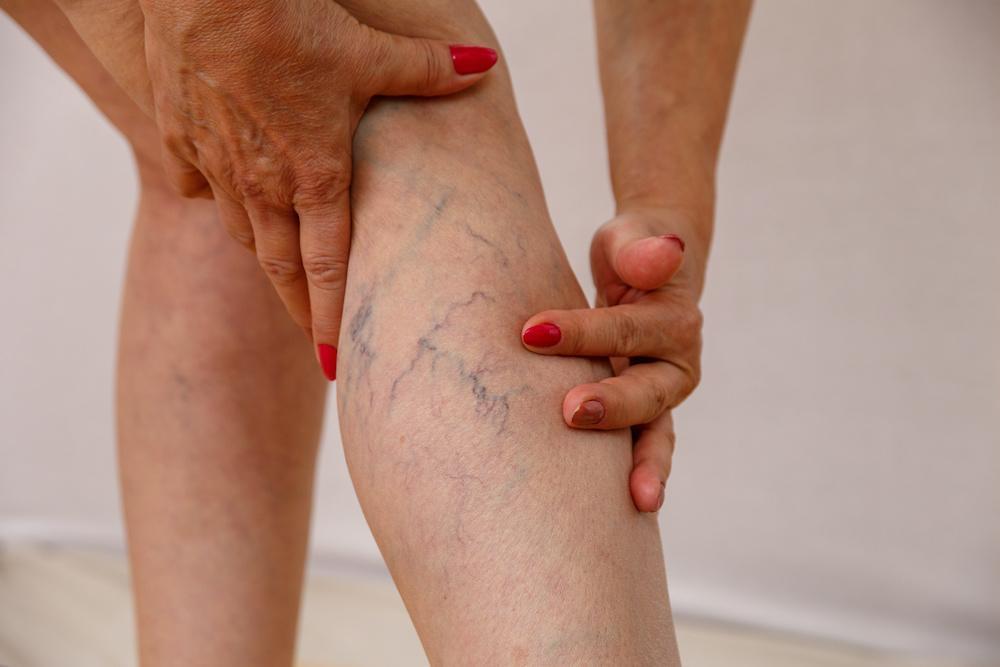
Are My Varicose Veins a Health Concern?
Varicose veins are rarely dangerous, but they can offer insight into your vascular health and occasionally signal conditions like chronic venous insufficiency. Learn how they form, what symptoms to watch for, and how laser vein removal can treat them.
Read More →
What's Causing My Hair Loss?
Hair loss can stem from genetics, stress, hormones, styling habits, autoimmune disease, or medications. Learn the most common causes of hair loss and the treatment options available at Orlando Dermatology Center.
Read More →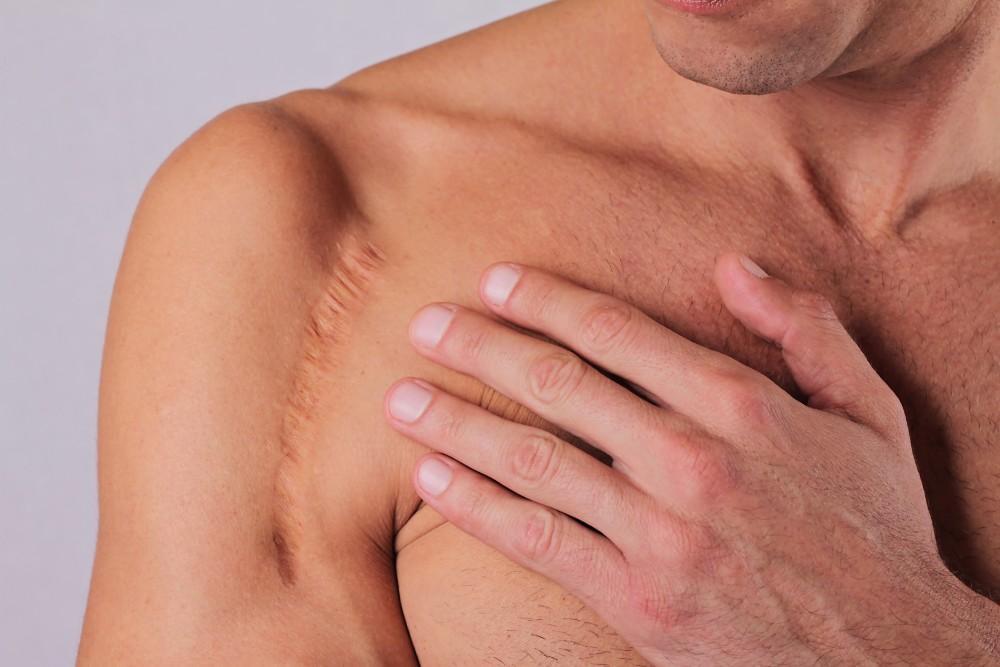
All About Superficial Radiation Therapy (SRT) for Scars
Superficial radiation therapy (SRT) is a noninvasive way to reduce the appearance of keloid scars by using gentle, low-dose radiation to break down excess collagen and prevent regrowth. Learn how the treatment works and which scars it treats best.
Read More →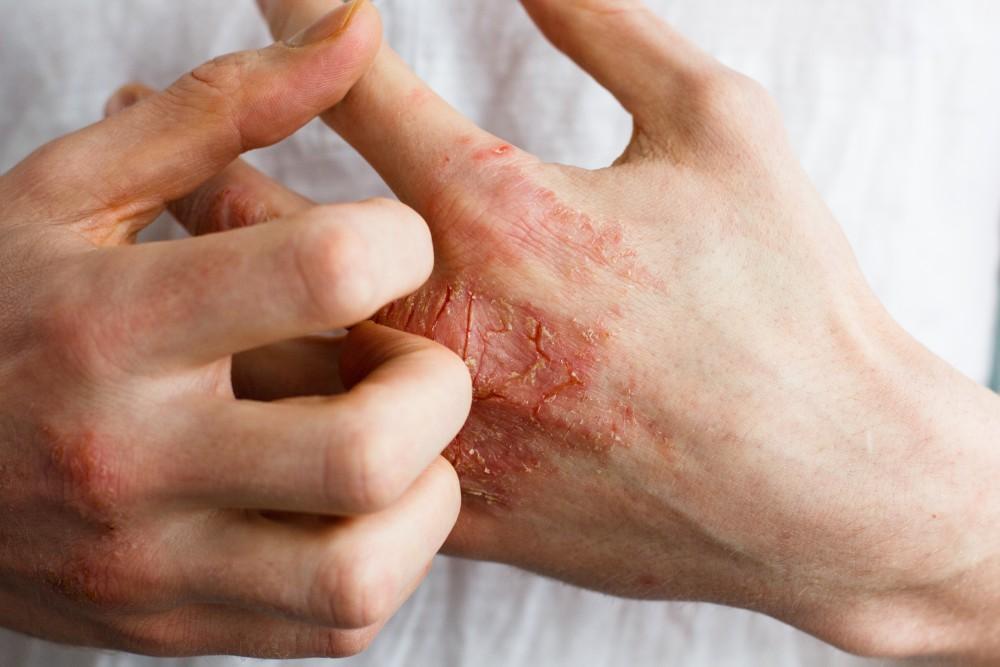
5 Common Eczema Triggers — And What to Do About Them
Eczema flare-ups are often set off by everyday triggers like allergens, stress, harsh soaps, dry air, and irritating fabrics. Learn the five most common eczema triggers and practical steps to avoid them and keep your skin calm.
Read More →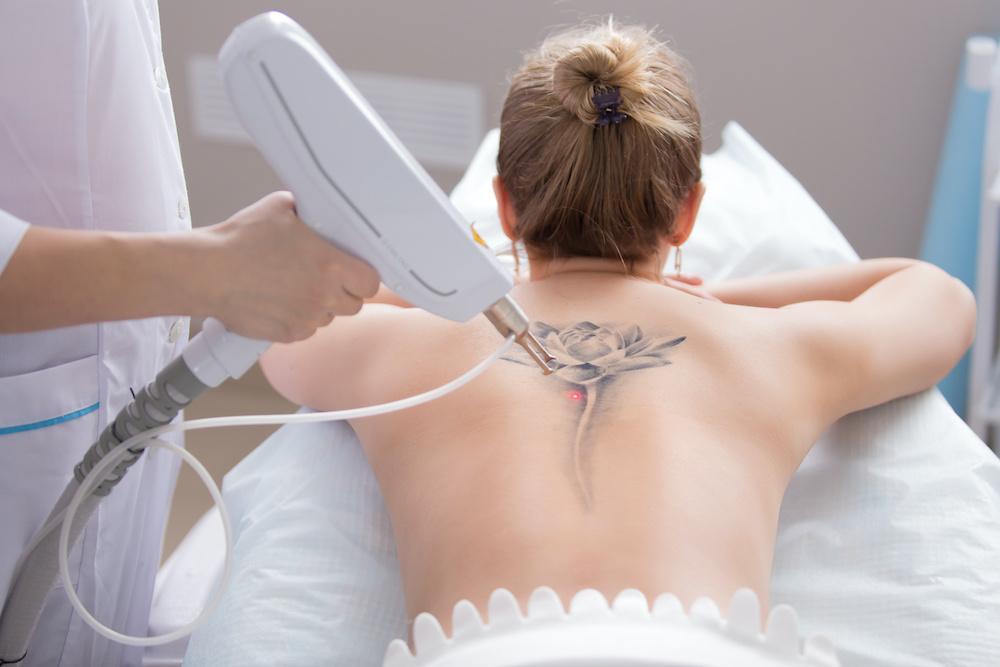
What Does Laser Tattoo Removal Feel Like?
Worried that laser tattoo removal will hurt? Learn what the treatment actually feels like, the factors that affect discomfort, and how numbing options can make the process virtually pain free.
Read More →
4 Encouraging Facts About Skin Cancer Surgery
Skin cancer surgery is a first-line treatment with a high cure rate and minimal scarring thanks to modern techniques like Mohs surgery. Learn four encouraging facts about the procedure and why early detection matters.
Read More →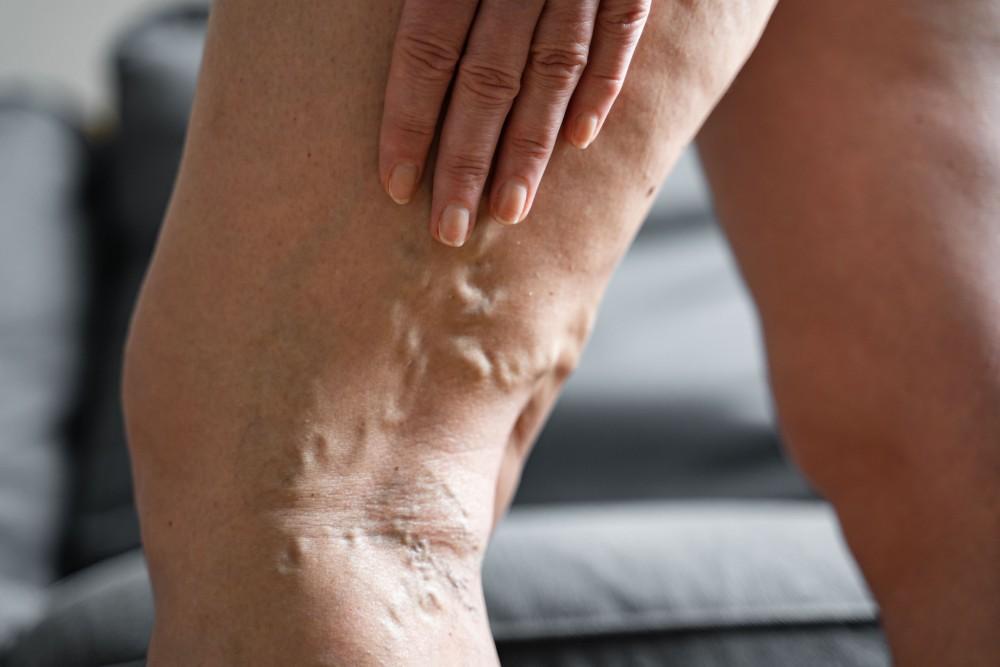
Will My Unsightly Veins Eventually Go Away on Their Own?
Varicose veins on the legs rarely disappear on their own and can worsen over time with a sedentary lifestyle. Learn how varicose veins form, at-home steps to reduce their appearance, and the laser vein removal treatments offered at Orlando Dermatology Center.
Read More →
Understanding SPF and How It Works in Your Sunscreen
SPF measures how well a sunscreen protects your skin from harmful UV rays. Learn how sunscreen works, the difference between physical and chemical ingredients, and how to choose the right SPF to reduce sun damage and skin cancer risk.
Read More →What Conditions Require a Skin Biopsy?
A skin biopsy is a key diagnostic tool dermatologists use to identify skin conditions early, from infections and inflammatory disorders to skin cancers and precancers. Learn the warning signs that may call for a biopsy and what the procedure can reveal.
Read More →Can Wrinkles Be Prevented?
Wrinkles are an unavoidable part of aging, but you can slow them down. Orlando Dermatology Center shares five practical tips for preventing premature skin aging, from sun protection to lifestyle changes.
Read More →I'm Nervous About My Upcoming Mohs Surgery
Feeling anxious before your first Mohs surgery is normal. Learn how this layer-by-layer skin cancer treatment works, why it offers a cure rate up to 99%, and how to prepare for your appointment.
Read More →I Regret My Tattoo
Tattoo regret is more common than you might think. Learn how laser tattoo removal works, how to plan your sessions, and what to expect from post-treatment care to restore clear, ink-free skin.
Read More →
6 Tips for Managing Psoriasis
Psoriasis flare-ups can appear without warning, but they often respond to simple care and lifestyle changes. Learn six dermatologist-recommended tips for managing psoriasis of any type.
Read More →Help! My Lipoma Is Growing
Most lipomas are harmless, but a growing one can become uncomfortable or affect how your clothes fit. Learn why lipomas appear and how a dermatologist can safely remove them.
Read More →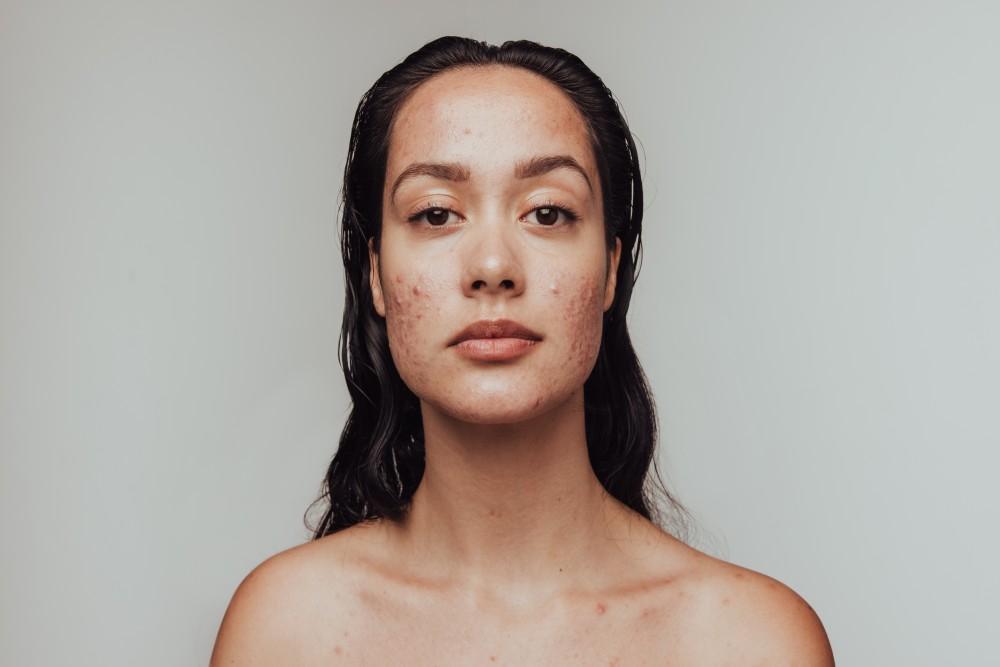
My Acne is Embarrassing: Can You Help?
Embarrassed by stubborn acne that over-the-counter products can't fix? The board-certified team at Orlando Dermatology Center explains how acne forms and the professional treatments, from topicals to chemical peels and lasers, that can clear your skin and reduce scarring.
Read More →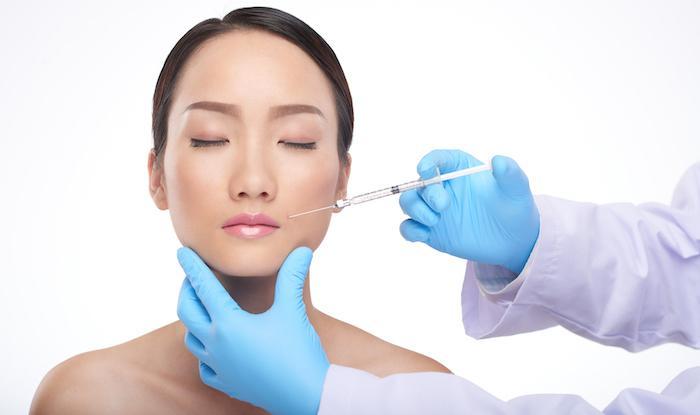
Botox vs. Fillers: Which Treatment Is Best for Me?
Botox and dermal fillers are minimally invasive injectable treatments that reduce signs of aging without surgery. Learn how each works and which option is best for your skin goals.
Read More →
Exploring the Link Between Diet and Skin Health: What to Eat for a Clear Complexion
Your diet plays a major role in the health of your skin. Learn which foods, nutrients, and habits support a clear complexion and which common dietary mistakes to avoid.
Read More →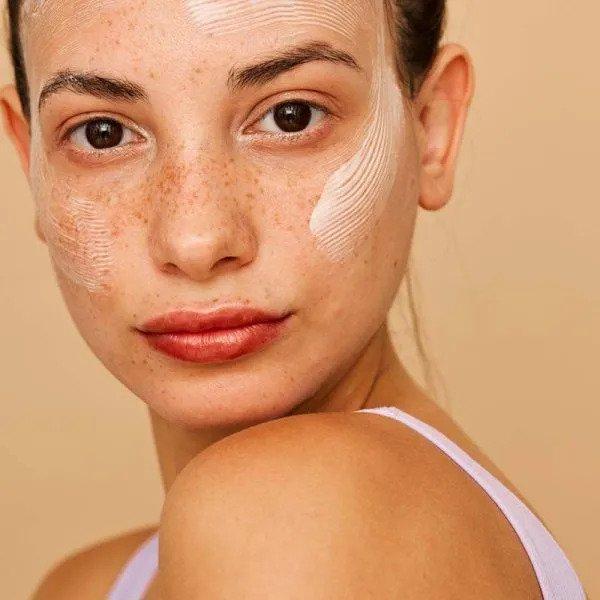
The Benefits of Using Sunscreen: Protecting Your Skin Against UV Damage
Learn how UV radiation damages your skin and why daily sunscreen use is essential for preventing premature aging, sunburns, and skin cancer while keeping your complexion healthy.
Read More →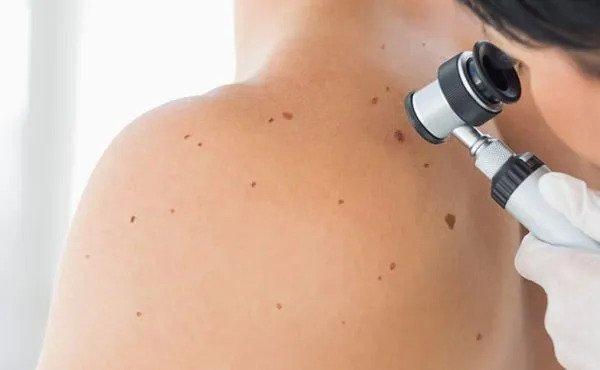
The Importance of Regular Skin Exams: Detecting Skin Cancer Early for Successful Treatment
Skin cancer is highly treatable when caught early, making regular skin exams essential for prevention and detection. Learn the benefits of early detection, the signs to watch for, and why prompt treatment leads to better outcomes.
Read More →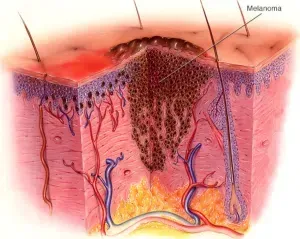
Understanding Melanoma: Causes and Treatment
Melanoma is one of the most serious forms of skin cancer, but with early diagnosis and treatment many cases can be successfully managed. Learn the genetic and environmental causes of melanoma and the surgical, medication, and radiation treatment options available.
Read More →
Dermatologist Tips for Healthy Skin
A dermatologist's guide to maintaining healthy, glowing skin, covering skin care basics, essential daily practices, the benefits of regular dermatology visits, and expert product recommendations.
Read More →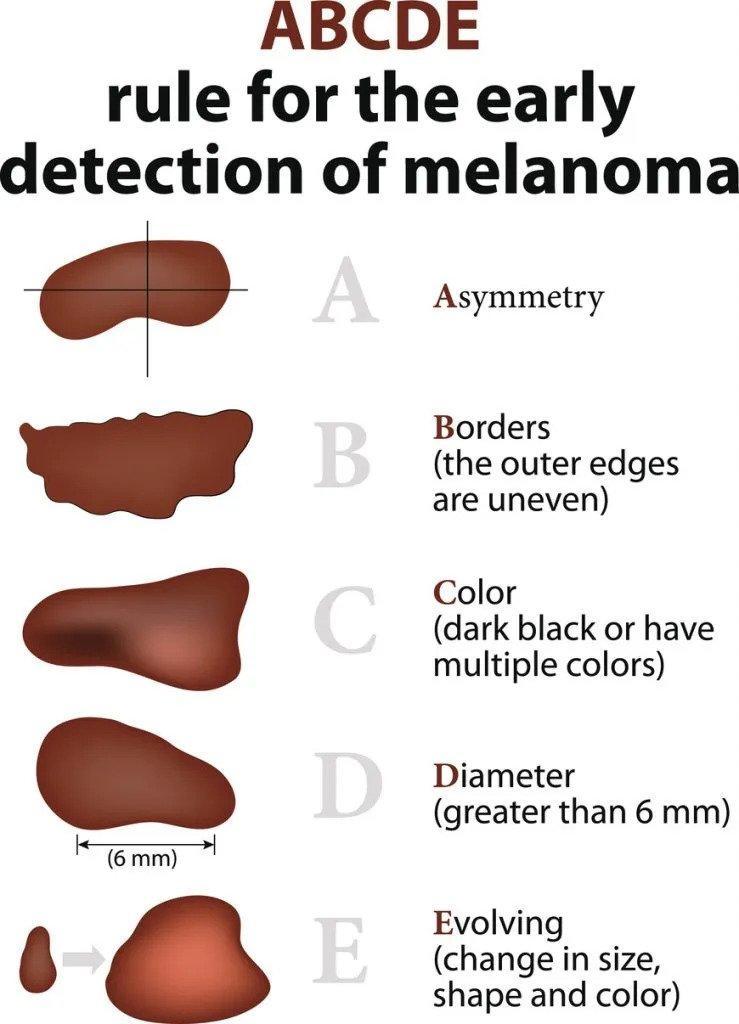
The ABCDE's of Skin Cancer Identification
Skin cancer is the most common cancer in the United States, but early detection greatly improves treatment success. Learn the ABCDE rule for spotting warning signs and the preventative steps that lower your risk.
Read More →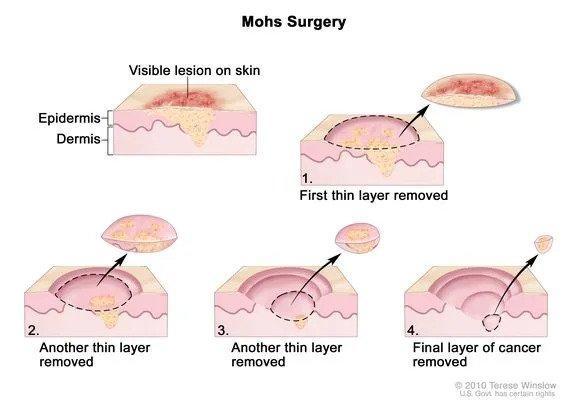
Understanding Mohs Surgery: What to Expect
Mohs surgery offers the highest success rate for treating certain skin cancers like basal cell carcinoma, squamous cell carcinoma, and melanoma. Learn how the procedure works, how to prepare, and what to expect during recovery.
Read More →Acne Advice From A Dermatologist
A dermatologist's guide to understanding what causes acne and how to manage it, with practical tips on cleansing, product choices, treatment options, and preventing future breakouts.
Read More →
Dermatologist's Advice for Stress Free Skin During The Holidays
Stress can trigger acne, eczema, and other skin conditions by disrupting the skin's protective barrier. Learn how a consistent cleansing, exfoliating, and moisturizing routine can keep your skin calm and healthy through the holiday season.
Read More →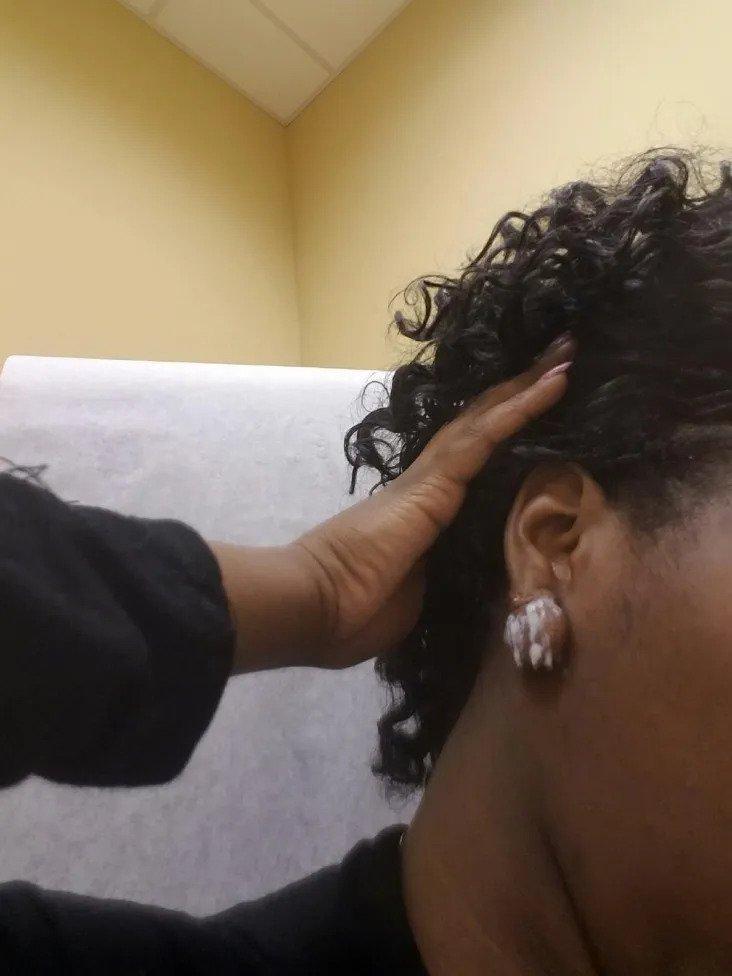
Are Keloid Scars A Serious Condition
Keloid scars are an exuberant healing response most common in younger people and those with darker skin. Learn how dermatologists at Orlando Dermatology Center diagnose keloids and treat them, including the CryoDestruction technique with a 97% success rate.
Read More →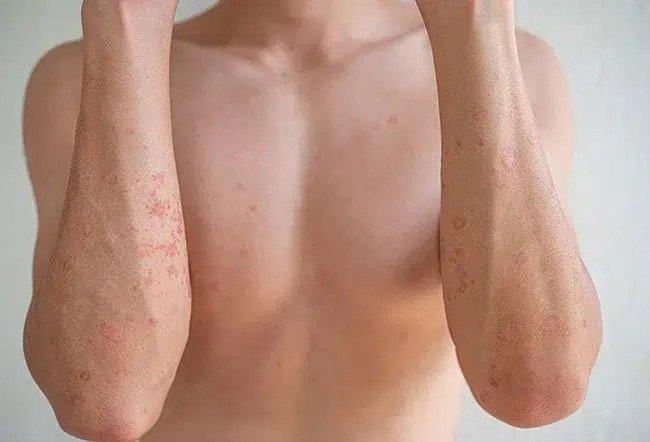
What Causes Atopic Dermatitis In Adults?
Atopic dermatitis (eczema) is a chronic, non-contagious condition that causes dry, itchy, inflamed skin and can affect adults due to irritants, allergens, and environmental triggers. Learn the signs, statistics, home care tips, and medical treatments available.
Read More →
Get Rid Of Signs Of Aging With An IPL Photofacial!
An IPL Photofacial uses Intense Pulsed Light therapy to reduce sun damage, brown spots, redness, and other signs of aging with no surgery and minimal recovery time. Learn what it treats, whether it hurts, and what to expect after treatment.
Read More →
Orlando Photofacial Treatment to Repair Skin Damage & Make Your Skin Look Younger
Learn how the Lumenis M22 Intense Pulsed Light (IPL) photofacial gently treats sun spots, broken capillaries, redness, and other signs of aging to rejuvenate your skin with little to no downtime.
Read More →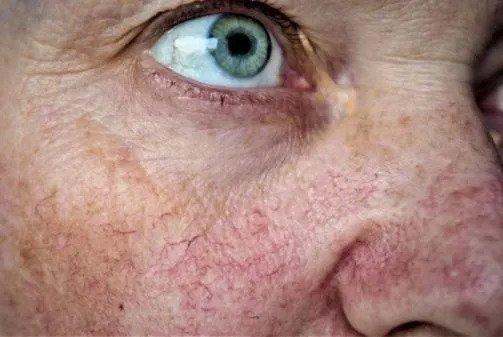
Non-Invasive Treatment for Leg Veins & Facial Veins
Learn how IPL (intense pulsed light) laser treatment offers a quick, non-invasive way to reduce the appearance of spider veins and telangiectasias on the face and legs, with minimal recovery time.
Read More →IPL Laser Treatments & Their Effectiveness
Intense pulsed light (IPL) therapy is a non-surgical photofacial treatment that improves skin color and texture by targeting red and brown pigment. Learn what conditions it treats, whether it hurts, and how to prepare for the procedure.
Read More →
Pediatric Dermatology Sunscreen - Protect Your Children's Skin in the Florida Sun
A pediatric sun-safety guide for Florida families, covering whether kids can use adult sunscreen, the case for mineral-based broad-spectrum SPF 30+, and practical tips to prevent sun damage and skin cancer.
Read More →
5 Dermatology Tips For Dry Skin
Dry skin, or dermatitis, can cause itching, flaking, and discomfort. Learn what causes it, how to recognize the symptoms, and simple prevention and treatment tips from the Orlando Dermatology Center.
Read More →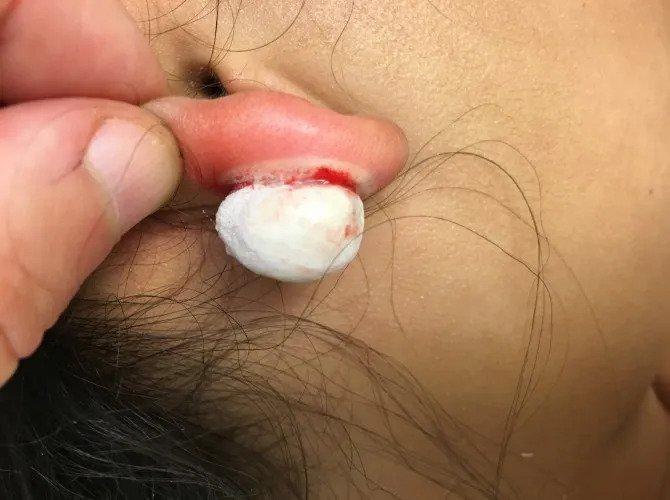
High Tech Keloid Treatments that Actually Work!
Keloids are thick, raised scars that often grow back after removal, making them notoriously hard to treat. Learn how the Orlando Dermatology Center uses high-tech CryoDestruction and SRT100 radiation therapy to remove keloid scars with a 97% success rate.
Read More →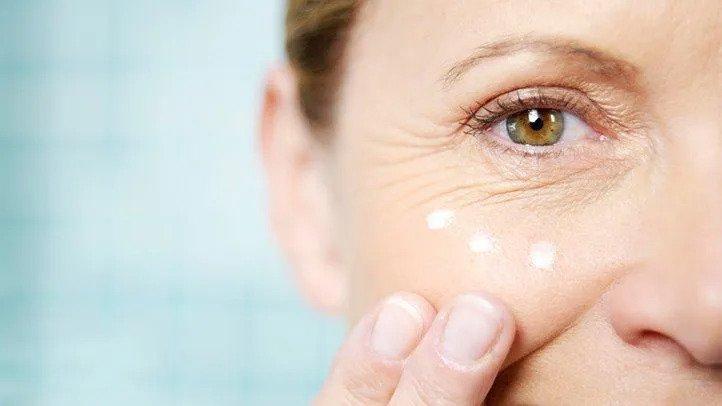
Anti-Aging Skincare Advice from a Dermatologist
A dermatologist's guide to what causes skin to age faster, why sun exposure is the biggest culprit, and the everyday sun-protection habits that help keep skin looking youthful.
Read More →
Orlando Dermatology Advice: Protect Your Lips From Skin Cancer
Skin cancer on the lips can be surprisingly aggressive because lip skin is fragile and poorly protected from UV rays. Learn what lip cancer looks like, why it's dangerous, and how to protect your lips from skin cancer.
Read More →Winter Acne Treatments
Florida's drier winter air can trigger dryness and breakouts, so Orlando Dermatology Center shares how to adjust your skincare routine—moisturizing, sun protection, and healthy habits—to keep skin clear and glowing while managing the four types of acne.
Read More →State of the Art Orlando Dermatology: Superficial Radiation
Superficial Radiation Therapy (SRT-100) is a safe, non-surgical alternative to Mohs surgery that targets basal and squamous cell skin cancers with excellent cure rates, no downtime, and no scarring. It is also an effective treatment for keloids.
Read More →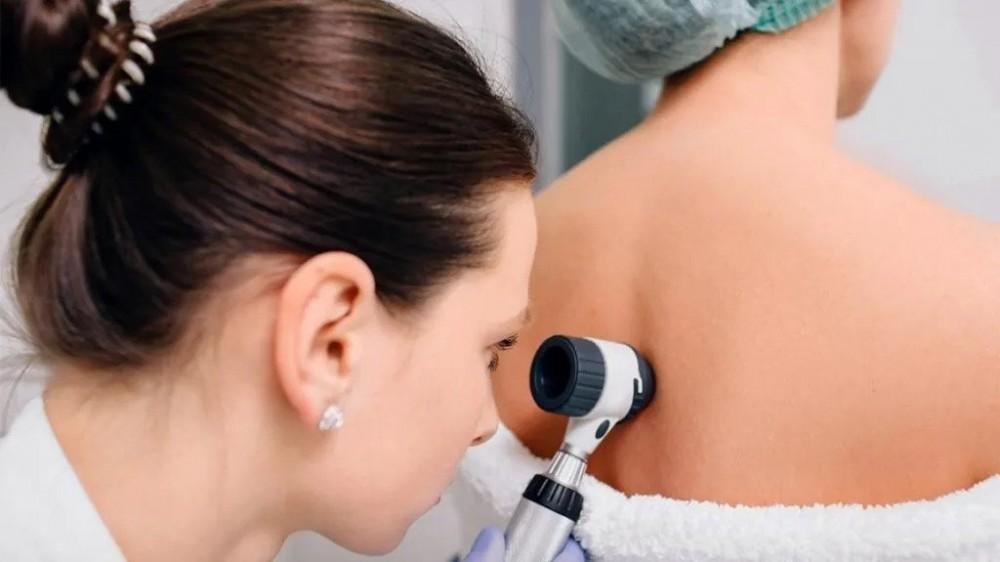
4 Skin Conditions That Should Compel You To See Your Dermatologist Quickly
A look at four common skin conditions—persistent adult acne, cold sores, psoriasis, and varicose and spider veins—that warrant a prompt visit to your dermatologist for proper diagnosis and treatment.
Read More →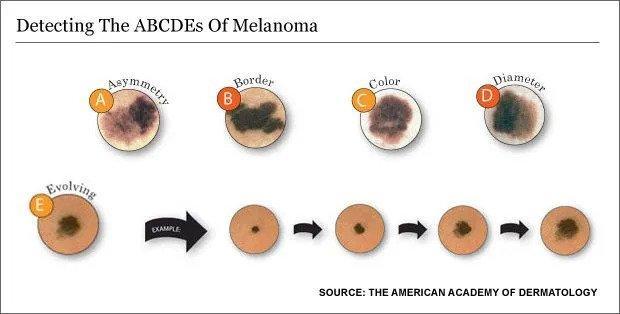
5 Signs That Mole Might Be Cancerous
With one in five Americans developing skin cancer in their lifetime, knowing how to spot a potentially cancerous mole is critical. Use the ABCDE method (Asymmetry, Border, Color, Diameter, Evolving) to identify warning signs and know when to see a dermatologist.
Read More →Back to School Skincare
A new school year brings stress that can trigger breakouts, so keeping a solid skincare routine matters. Learn the serums, cleansers, and moisturizers to use, plus diet tips, to keep your skin healthy as you head back to class.
Read More →Looking For An Orlando Dermatologist Specializing In Mohs Surgery?
Mohs micrographic surgery is the most effective technique for treating common skin cancers like basal cell and squamous cell carcinoma, offering a high cure rate while sparing healthy tissue. Learn how the procedure works and why board-certified Orlando dermatologist Dr. Vitaly Blatnoy is qualified to perform it.
Read More →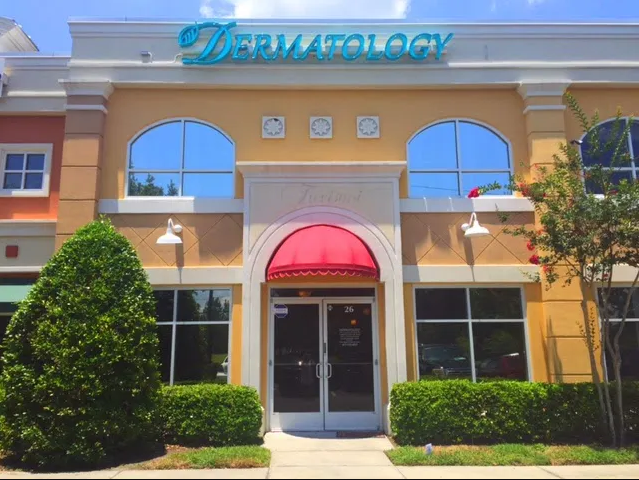
How To Choose A Good Dermatologist
A guide to selecting the right dermatologist, covering what to look for in board certification, insurance coverage, and provider bios, plus an introduction to Orlando Dermatology Center and Dr. Vitaly Blatnoy.
Read More →
Skin Cancer Facts: More Than 600 Floridians Die of Melanoma Every Year!
Florida has the second-highest incidence of melanoma in the U.S., with more than 600 residents dying from the disease each year. Learn the key skin cancer facts and how the Orlando Dermatology Center treats melanoma with Mohs surgery.
Read More →Expert Dermatologist Tips: Can Multi-color Tattoos Be Removed?
Colored tattoos take more laser sessions to remove than all-black ones, but full removal is possible even for the most stubborn hues. Learn which ink colors are hardest to erase and how laser tattoo removal works.
Read More →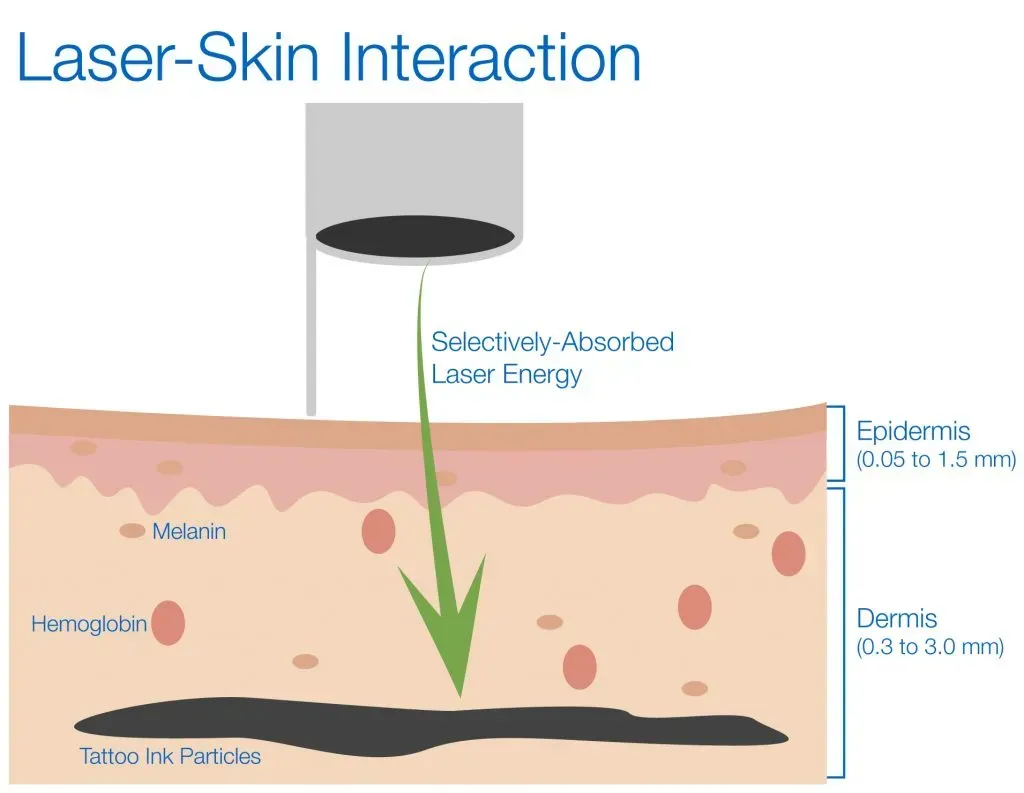
Professional Tattoo Removal: Facts & Possibilities
As many as 25% of people with a tattoo regret getting it. Learn how professional laser and surgical tattoo removal work, what to expect during and after treatment, and why choosing a certified provider keeps the procedure safe.
Read More →
Skincare Tips during the Coronavirus (COVID19) Pandemic
Frequent handwashing and mask-wearing help prevent the spread of COVID-19 but can dry out skin and trigger breakouts. Learn simple skincare routines to protect your face and hands while staying safe.
Read More →2021 New Years Skincare Resolutions from a Dermatologist
A dermatologist's simple New Year's skincare resolutions for 2021: stay consistent with cleansing, keep your skin and body hydrated, and ditch the bad habits and diets that damage your complexion.
Read More →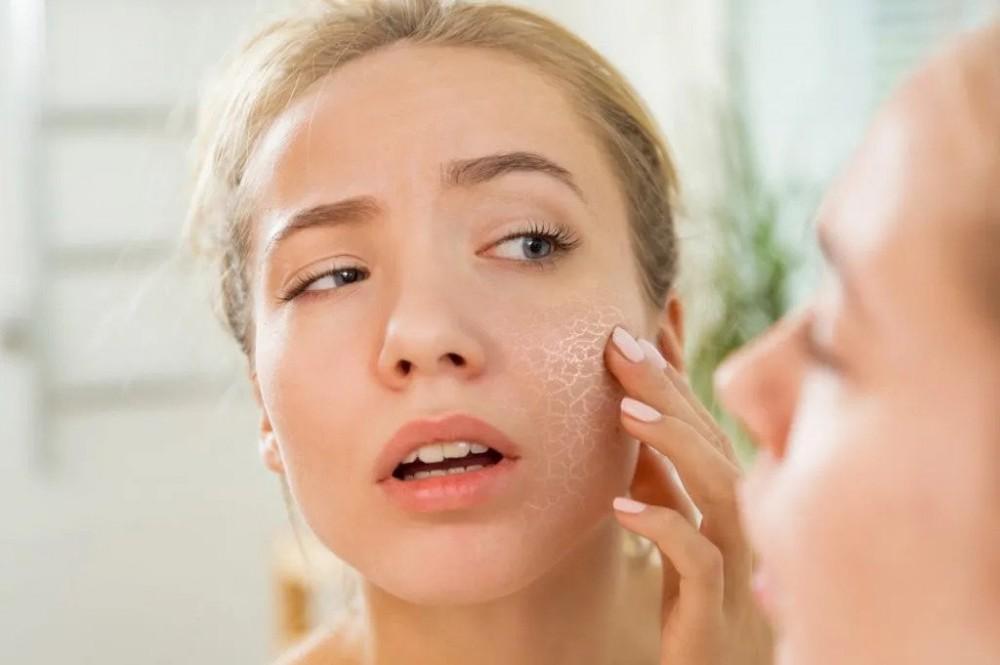
5 Skincare Tips For Winter Dry Skin
Winter's cold, dry air can leave skin dry and itchy. Dr. Blatnoy of the Orlando Dermatology Center shares five practical tips to protect and hydrate your skin during the colder months.
Read More →
November Is National Healthy Skin Month!
In celebration of National Healthy Skin Month, Dr. Vitaly Blatnoy shares five facts about your skin, from why it's the body's largest organ to how over-cleansing can trigger breakouts.
Read More →
Stress Skincare Tips During the 2020 Election
Stress can take a visible toll on your skin by raising cortisol and inflammation. This post shares three simple ways to keep your skin healthy during stressful times: a clean diet, regular exercise, and quality sleep.
Read More →
Florida Skincare in Humidity & Hurricane Season
Florida's hurricane-season heat and humidity boost oil and sweat production, which can clog pores and trigger breakouts. Learn three dermatologist-recommended skincare adjustments: cleanse twice daily, switch to lighter water-based products, and use deodorant to control sweat.
Read More →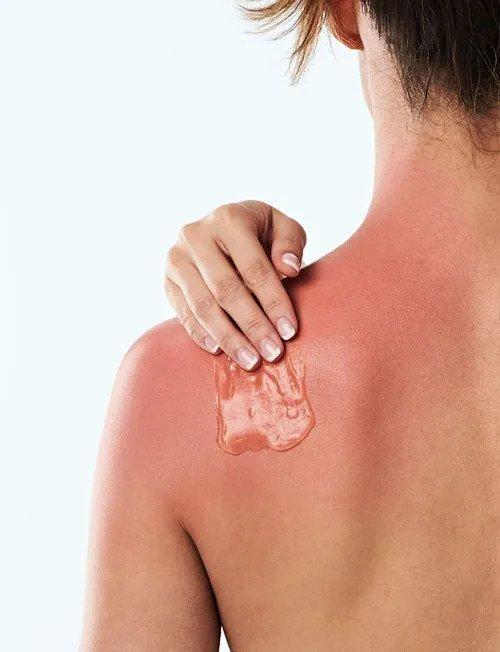
Summer Skincare Problems You Can Prevent
Summer heat and outdoor activity bring common skin issues like acne, sunburn, poison ivy rashes, folliculitis, and dry, irritated skin. Learn simple prevention tips to keep your skin healthy all season long.
Read More →
4 Way to Fight Summer Acne
Summer heat, humidity, and air conditioning can all trigger acne breakouts. Learn four dermatologist-backed tips to fight summer acne, from removing makeup before workouts to applying sunscreen on scars and showering after you sweat.
Read More →
Telemedicine during COVID19 Quarantine
In response to the COVID-19 pandemic, the Orlando Dermatology Center offers secure telemedicine visits via the DOXY.ME platform for new and existing patients using any video-capable device.
Read More →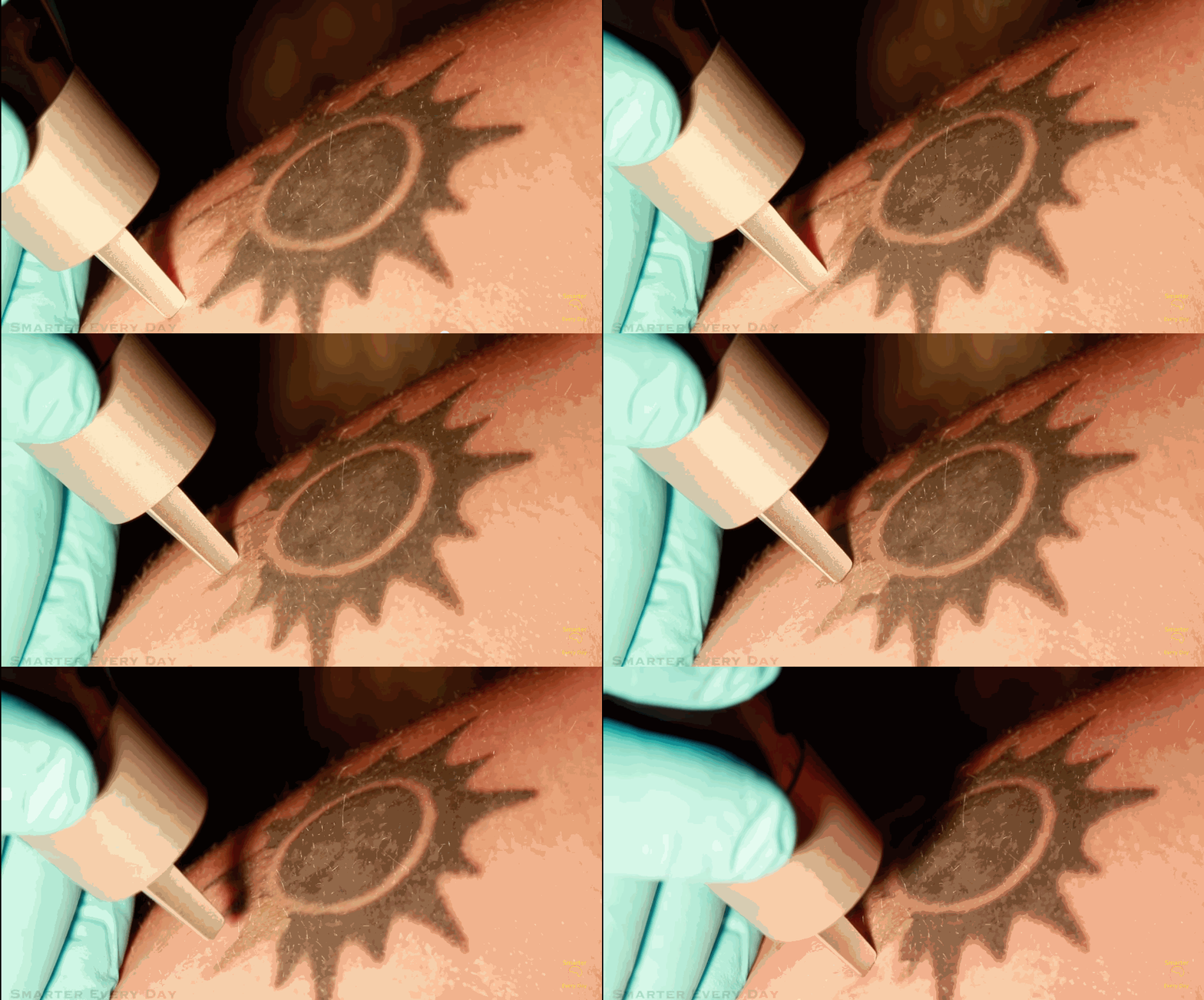
How Tattoo Removal Works
Laser tattoo removal is a safe, effective cosmetic procedure that works by shattering tattoo ink into smaller particles the body's immune system can flush away. Learn how lasers became the standard treatment compared to older surgical removal methods.
Read More →
Dermatologist's Tips on Relieving Dry Skin
When humidity drops, your usual skin care routine may leave skin dry, itchy, and flaky. Dermatologists share simple tips on bathing, cleansing, exfoliating, and lip care to heal dry skin and prevent it from returning.
Read More →
4 Winter Skincare Tips from Dermatologists
Cold weather and dry indoor heat can take a toll on your skin. Dermatologists share four simple winter skincare tips, from upgrading your moisturizer to taking lukewarm showers, to keep your skin healthy and hydrated all season.
Read More →Can Diet Affect Acne?
Diet plays a real role in acne: high-glycemic foods and dairy can worsen breakouts, while antioxidant-rich polyphenol foods may help. Learn which foods to avoid and which to add for clearer skin.
Read More →Just A Mole Or Skin Cancer? Identifying Melanoma.
Living in a high-risk state like Florida makes it essential to tell a harmless mole from melanoma. Learn the warning signs and the ABCDE rule to know when a mole should be checked by a dermatologist.
Read More →
Dermatologist's Summer Skincare Advice
Orlando dermatologist Dr. Vitaly Blatnoy shares a summer skincare battle plan—covering exfoliation, switching to lighter cleansers and serums, and diligent sunscreen use for your face, body, and lips—to protect your skin from increased sun and sweat.
Read More →Dermatologist's Advice: How Humidity Affects Skincare
Florida's hot, humid months can trigger acne, breakouts, eczema, and other skin irritations. Learn dermatologist-recommended tips for keeping your skin healthy in humid weather and when to see a specialist.
Read More →
Dermatologist's Advice: Living with Rosacea
Rosacea is a common, chronic skin condition that causes facial redness and can progress through four subtypes. Learn a dermatologist's daily tips for managing rosacea and why professional treatment is the most reliable approach.
Read More →Dermatologist's Advice: Safest Way To Get A Sun Tan
With skin cancer rates rising, a dermatologist explains the safest ways to get a tan, why tanning beds are dangerous, and how to protect your skin with sunscreen while still enjoying the sun.
Read More →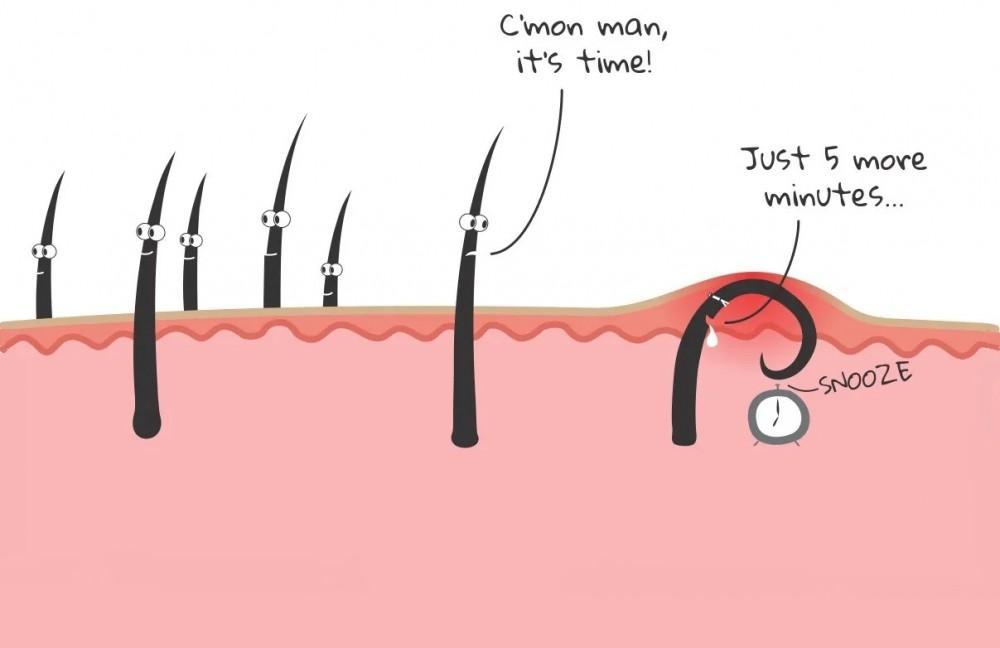
Removal of Ingrown Hair Cysts
An ingrown hair cyst is an ingrown hair that develops into a painful bump beneath and on the skin's surface. Learn how to identify, treat, and prevent ingrown hair cysts to avoid infection and scarring.
Read More →Skin Cyst: Is It Time To See A Dermatologist?
Learn what a skin cyst is, why at-home removal doesn't work, and the three methods dermatologists use to safely treat and remove cysts to prevent pain, scarring, and recurrence.
Read More →
New Year Skincare Recommendations from A Dermatologist (2019)
Start the new year with a healthier skincare routine: a dermatologist explains what happens during a yearly skin exam, how often to see a dermatologist, and the daily habits—like SPF moisturizer and exfoliating—that keep your skin protected in sunny Florida.
Read More →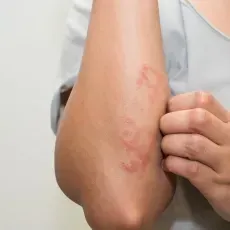
Cold Weather Eczema: How To Treat It
Cold, dry winter air can trigger or worsen eczema flare-ups. Learn what cold weather eczema is and how to treat and prevent it with daily moisturizing, topical steroids, humidified air, and healthy habits.
Read More →Effectively Treating Cystic Acne
Cystic acne is a deep, painful form of acne that can cause lasting scars if left untreated. Learn what causes it, who gets it, and the dermatologist-led treatment options that can clear it up.
Read More →
Does Higher SPF Sunblock Actually Make a Difference?
SPF measures how much longer protected skin can resist UV-induced redness, and higher SPF genuinely blocks more damaging rays. Learn why the "high SPF doesn't matter" myth is false and how to apply sunscreen for real protection.
Read More →Best Wart Removal Process As Explained by A Dermatologist
A dermatologist explains what warts are, how they spread, and the most effective in-office and at-home wart removal treatments, from cryotherapy and cantharidin to chemical peels and immunotherapy.
Read More →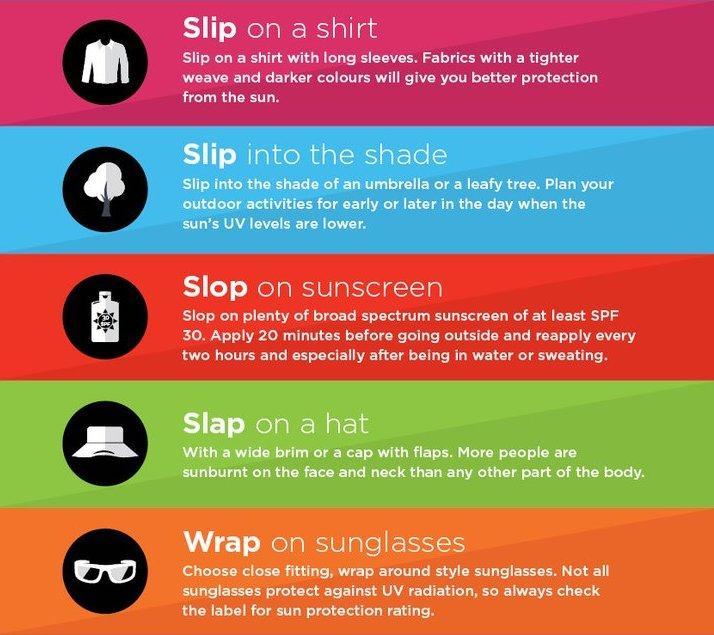
How To Prevent Sun Damage To Your Skin
Learn how to protect your skin from the sun's damaging UV rays and reduce your risk of skin cancer, including tips on sunscreen, protective clothing, healthy sun exposure for vitamin D, and yearly skin cancer screenings.
Read More →
How To Select Anti-Aging Skin Care Products
Shopping for anti-aging skin care can feel overwhelming with so many choices. These dermatologist-backed tips help you pick the right sunscreen, moisturizer, and targeted treatments for your skin type and budget.
Read More →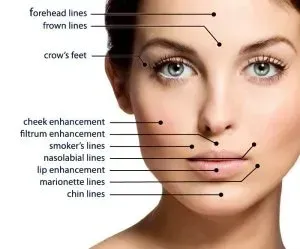
Why Use Dermal Fillers?
Dermal fillers are a safe, effective anti-aging treatment that replenishes lost facial volume, smooths wrinkles, and restores a youthful appearance without surgery or downtime. Learn how FDA-approved fillers work, what they treat, and what to expect from the procedure.
Read More →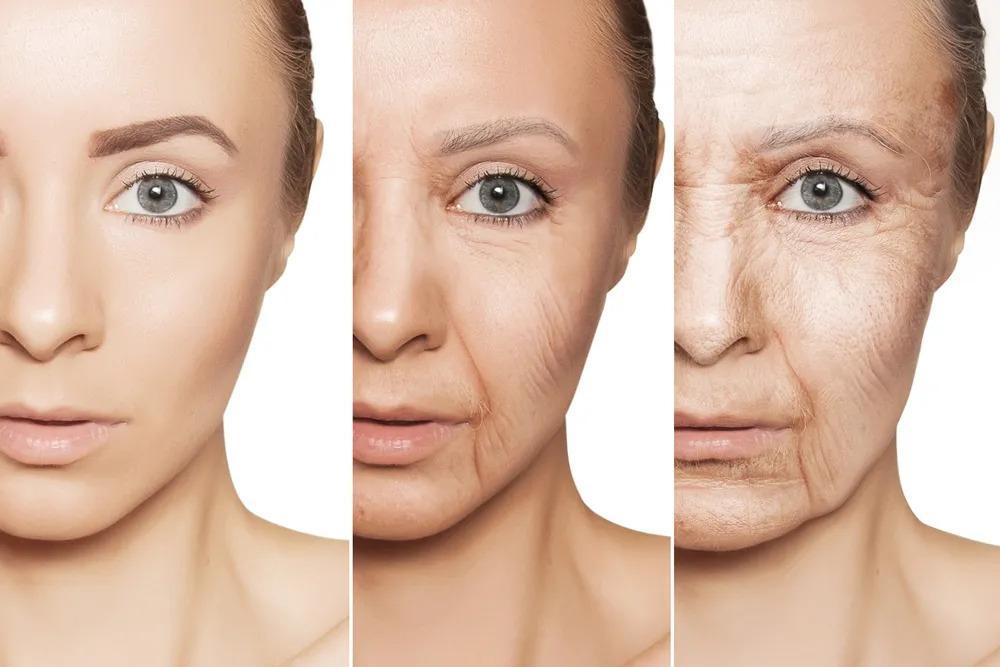
11 Ways To Reduce Premature Skin Aging
While natural aging is out of our control, sun exposure and lifestyle choices cause skin to age prematurely. Dermatologists share 11 practical tips to slow extrinsic aging and keep your skin looking younger.
Read More →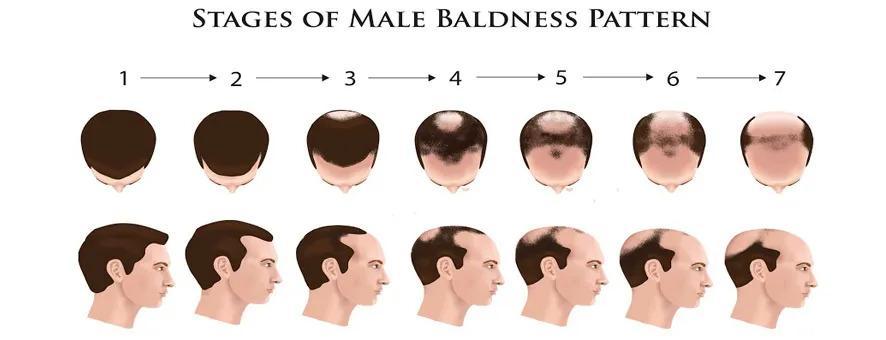
Dermatologist Treatment of Male Pattern Baldness (MPHL)
Male pattern hair loss (MPHL), or androgenetic alopecia, is an inherited condition driven by sensitivity to DHT that affects most men over time. Learn the causes and the range of dermatologist treatments, from minoxidil and finasteride to laser therapy and hair transplantation.
Read More →
Thinning Hair and Hair Loss in Women (FPHL)
Female Pattern Hair Loss (FPHL) is the most common cause of hair loss in women and is a progressive condition that responds best to early treatment. Learn about common treatments like minoxidil, spironolactone, hair transplants, and more, and why a dermatologist's diagnosis matters.
Read More →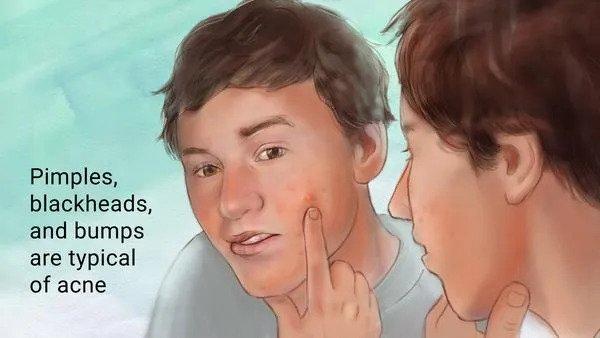
How To Deal With Hormonal Acne
Hormonal acne affects roughly half of women ages 20 to 30, typically forming cysts along the lower face. Learn the causes, symptoms, and the oral, topical, and lifestyle treatments that actually work.
Read More →
What is Melanoma?
Melanoma is the most dangerous form of skin cancer, developing when UV-related DNA damage triggers mutations in pigment-producing skin cells. Learn the ABCDE warning signs, the four main types, risk factors, and how to prevent it.
Read More →Is It Possible To Cure Eczema Completely?
Eczema is a skin reaction pattern caused by at least 11 different conditions, making a true cure difficult. Learn what causes eczema and how dermatologists manage symptoms through skin care, medication, and trigger avoidance.
Read More →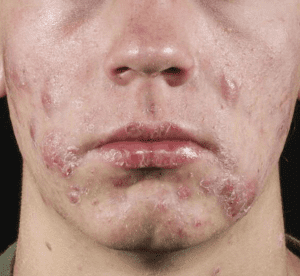
The Ultimate Solution to Cystic Acne
Cystic acne is the most severe, scarring stage of acne and rarely responds to over-the-counter products. Learn how dermatologists treat it with oral antibiotics, hormonal therapy, prescription retinoids, and isotretinoin.
Read More →Adolescents and Tanning Bed Use: Parents Lead the Way
Indoor tanning bed use is a leading driver of rising melanoma rates, and research shows teens who first tan with a parent are more likely to become frequent tanners. The most effective way to protect kids is for parents to set a healthy example at home.
Read More →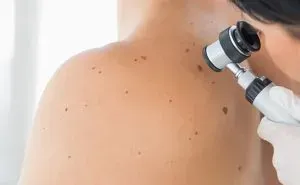
How Often Should You Get A Skin Cancer Screening?
Living in sunny Florida raises your risk of skin cancer, making regular screenings essential. Learn what a skin cancer screening involves, why yearly exams matter, and how to prepare for your visit.
Read More →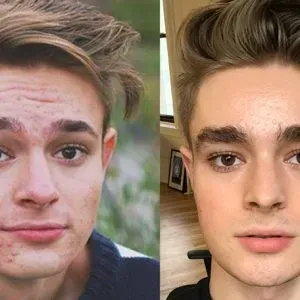
Is Accutane Useful, Safe, And Effective?
Accutane (isotretinoin) is a highly effective treatment for severe acne, with over a 90% cure rate after a 4-to-6-month course. Learn how it works, its possible side effects, and the precautions needed for safe use.
Read More →
Basal Cell Carcinoma: A Highly Curable Cancer If Treated Early!
Basal cell carcinoma is one of the most common and most curable skin cancers when caught early, with effective surgical and nonsurgical treatment options. Learn how it's identified, what causes it, who is at risk, and how it's treated.
Read More →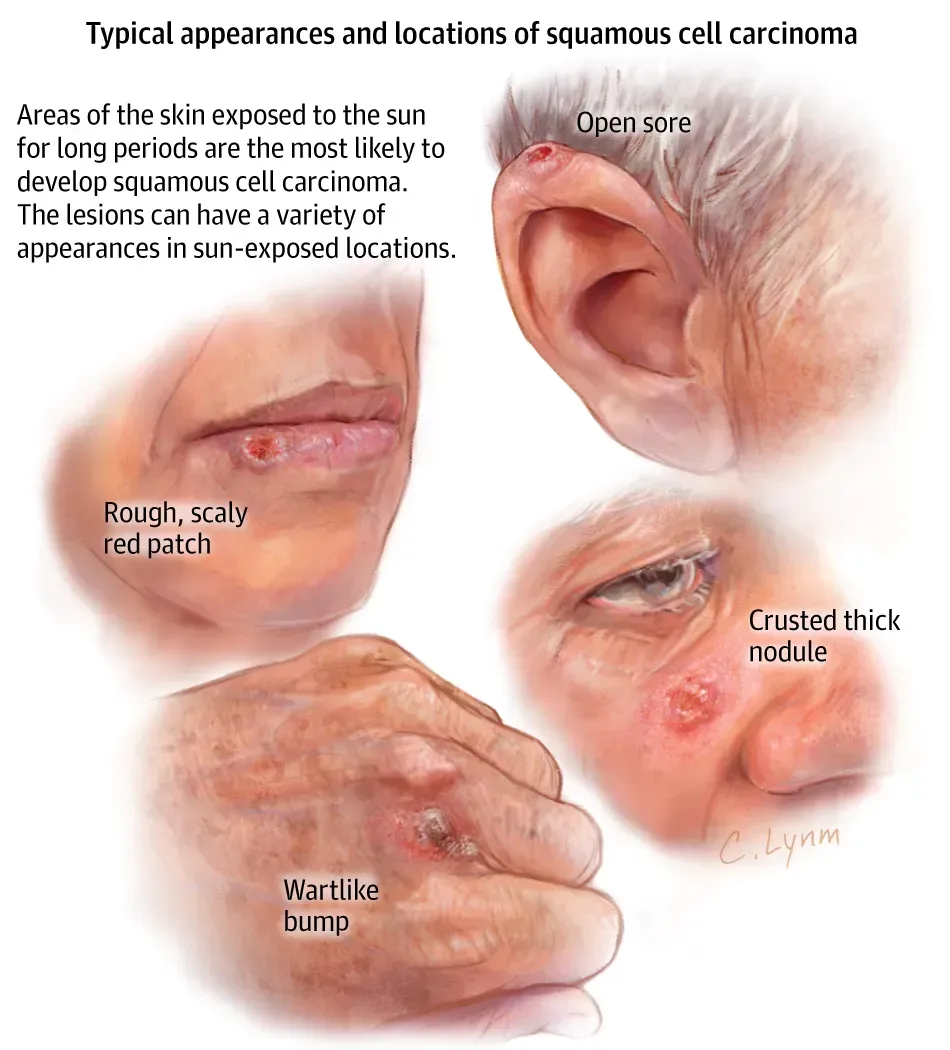
Identifying Squamous Cell Carcinoma
Squamous cell carcinoma is a common skin cancer caused by cumulative UV exposure. Learn how to recognize its warning signs and explore treatment options including Mohs surgery, excisional surgery, and more.
Read More →
Best Treatment for Keloid Scars
Intralesional cryotherapy is a highly effective treatment for keloid scars, with a 100% positive response rate and dramatic improvement seen in just 1-2 treatments. Most patients see results within weeks, with only temporary discoloration as a side effect.
Read More →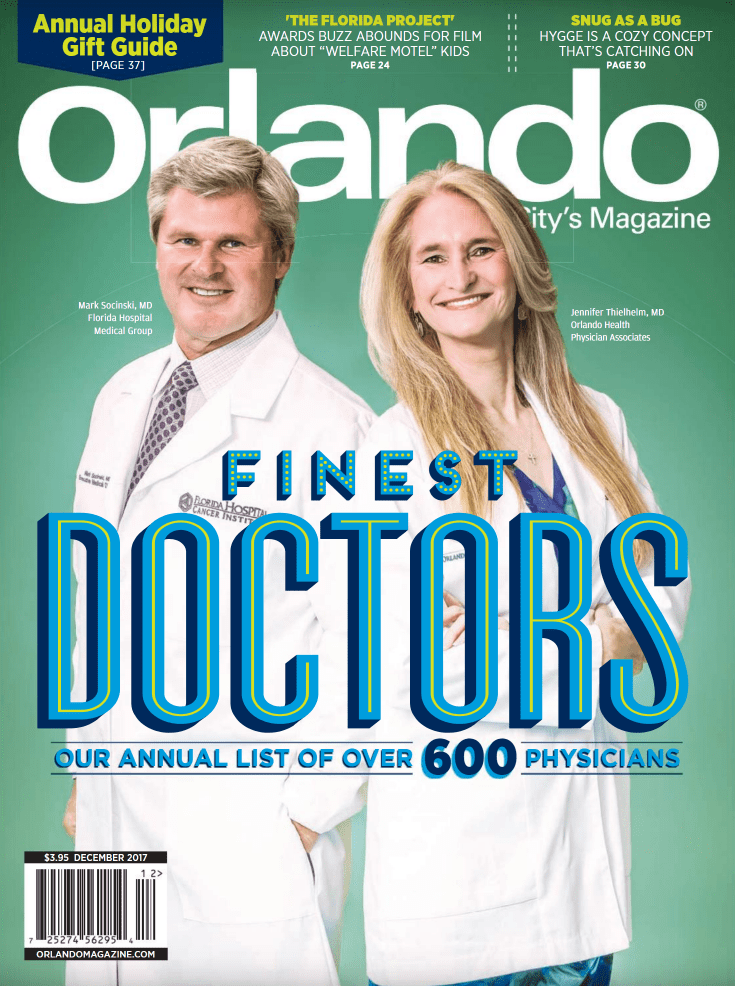
Top Doctors of 2017 – Orlando Magazine
Vitaly Blatnoy, MD of Orlando Dermatology Center was named to Orlando Magazine's annual list of top physicians in 2017.
Read More →
Dermatology Orlando News: CryoDestructionâ„¢ Technique
Orlando Dermatology Center introduces CryoDestructionâ„¢, a liquid-nitrogen technique that freezes keloid scars from the inside out with a 97% success rate, and launches the dedicated Florida Keloid Center.
Read More →Full Service Dermatologist in East Orlando
Orlando Dermatology Center offers full-service pediatric and adult dermatology at its Waterford Lakes and Oviedo offices in east Orlando, with cosmetic and medical procedures, easy online scheduling, and specialized keloid removal via Cryodestruction.
Read More →
Keloid Scar Surgery & Removal
Keloid scars are overgrowths of scar tissue that form around a wound and are more common in people with darker skin tones. Learn what causes keloids, how to recognize their symptoms, and the treatment options available, including the CryoDestruction technique used at the Florida Keloid Center in Orlando.
Read More →
Cosmetic Skin Treatments
An overview of cosmetic skin surgery performed by dermatologists, covering minimally invasive procedures such as anti-aging treatments, chemical peels, dermabrasion, and hair restoration.
Read More →
Facial Laser Treatments
An overview of facial laser treatments, including laser skin resurfacing for wrinkles and acne scars, the CO2 and erbium lasers, candidacy and medical considerations, and the laser rejuvenation options offered at Orlando Dermatology Center.
Read More →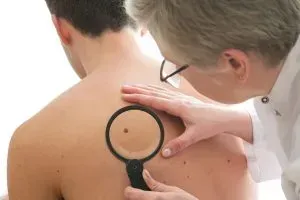
Skin Cancer Treatments
An overview of how dermatologists diagnose and treat skin cancer, including biopsy, excision, Mohs surgery, and curettage, plus why early detection through regular skin checks is essential for the best outcomes.
Read More →
Treating Acne Scars
Treating acne scars starts with a dermatologist consultation to build a tailored plan based on scar type and location. Learn about surgical, resurfacing, filler, and injection options for both depressed and raised acne scars.
Read More →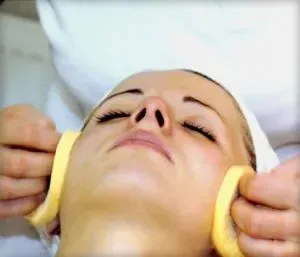
Chemical Peel
Chemical peels offered at Orlando Dermatology Center use a chemical solution to shed damaged skin and reveal smoother, less wrinkled skin. Learn how the procedure works, recovery time, results, and aftercare.
Read More →
Dermatology Doctor Education & Training
An overview of the long road to becoming a dermatologist, covering the pre-medical bachelor's degree, medical school, internship, dermatology residency, and board certification that make up the roughly 12-year training path.
Read More →
Orlando Dermatology Office Open In Waterford Lakes
Dr. Vitaly Blatnoy has opened a second Orlando Dermatology Center office in the Waterford Lakes area on Alafaya, offering pediatric and adult medical, cosmetic, and surgical dermatology with short wait times.
Read More →Have a Skin Concern?
Our board-certified dermatologists are accepting new patients at all 4 Central Florida locations.