
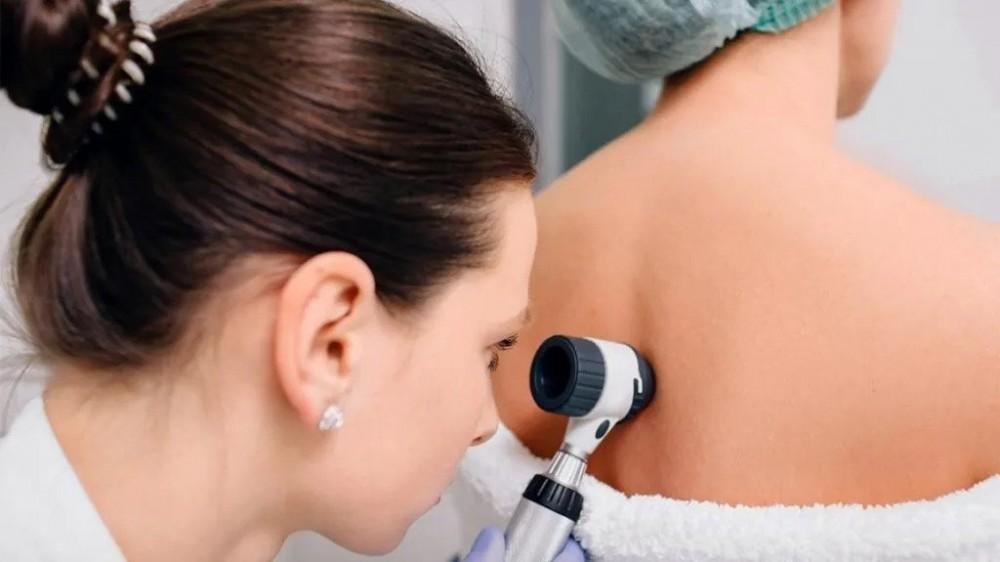
A look at four common skin conditions—persistent adult acne, cold sores, psoriasis, and varicose and spider veins—that warrant a prompt visit to your dermatologist for proper diagnosis and treatment.
With the changes in the weather or if you've recently changed your diet you may notice your skin responds to external stimulus very quickly. Some skin conditions are benign but some can create some very embarrassing symptoms. Here are a few that would compel you to visit Dr. Vitaly Blatnoy at the Orlando Dermatology Center as fast as possible to reduce any unsightly symptoms that could ruin your day.
Persistent Adult Acne
This is the most prevalent skin disorder in the United States. Current studies show that more than 80% of Americans in their teens and twenties are likely to be affected by acne. Pregnant women are also likely to be affected by acne, especially due to drastic hormonal changes. There are several over the counter acne treatment options that you can try, but it is always important to discuss with your dermatologist what acne treatment program works for you. If your acne is severe or persistent beyond your teen years, consult your dermatologist for help.
Cold Sores
Medical dermatologists classify cold sore as a skin disorder that is caused by severe cold, especially during the winter or when an individual experiences extreme climatic conditions, especially after moving to another region. It is characterized by a painful, red, and fluid-filled blister that appears around the lips. The sore is visible and is sometimes accompanied by flu symptoms such as fever, swollen lymph nodes, and headaches. If you seek services from your dermatologist, he or she is likely to recommend treatment.
Psoriasis
Psoriasis stems from a problem with the immune system. This causes skin cells to form too quickly. They then pile up on the surface of the skin. These patches are called plaques. They can be thick and red and have silvery scales. They can be itchy or painful. They usually appear on the elbows, knees, legs, face and scalp. Sometimes they're on the bottom of the feet. They can show up on the fingernails, genitals or inside the mouth, but this is less common. Dermatologists can diagnose psoriasis by looking at a skin sample under a microscope. Psoriasis is a chronic condition. Creams can help soothe the skin and help it heal. Treatment also may include oral medication to suppress the overactive immune system.
Varicose and Spider Veins
Varicose veins are swollen, twisted and painful veins that form when valves in the veins become weak or damaged. Varicose veins often look bulging or raised and usually develop on the legs. They can increase your risk of blood clots and skin sores. The likelihood of having varicose veins increases with age, excess weight, and a sedentary lifestyle. Spider veins often look like a network of thin red or blue lines on the skin. They're usually more of a cosmetic issue than a serious health threat. A backup of blood, hormonal changes, sun exposure, or injury can lead to spider veins. Treatment depends on the type of vein problem. It may include wearing support stockings, taking medicine, and making some lifestyle changes. Dermatologists also can inject a chemical into a problem vein to make it disappear. Laser treatment and surgery are other options.
Reviewed by Dr. Vitaly Blatnoy, MD — Board-Certified Dermatologist, Fellow of the American Academy of Dermatology. View credentialsLast reviewed October 15, 2021.
Questions About Your Skin?
Book a visit with our board-certified dermatologists at any of our 4 Central Florida locations.
Book Appointment