Superficial Radiation Therapy — Image-Guided SRT (IG-SRT)
Image-Guided SRT (IG-SRT) — ultrasound-guided, non-surgical skin cancer treatment and keloid removal. Surgery-free alternative to Mohs. Available at our Oviedo location.
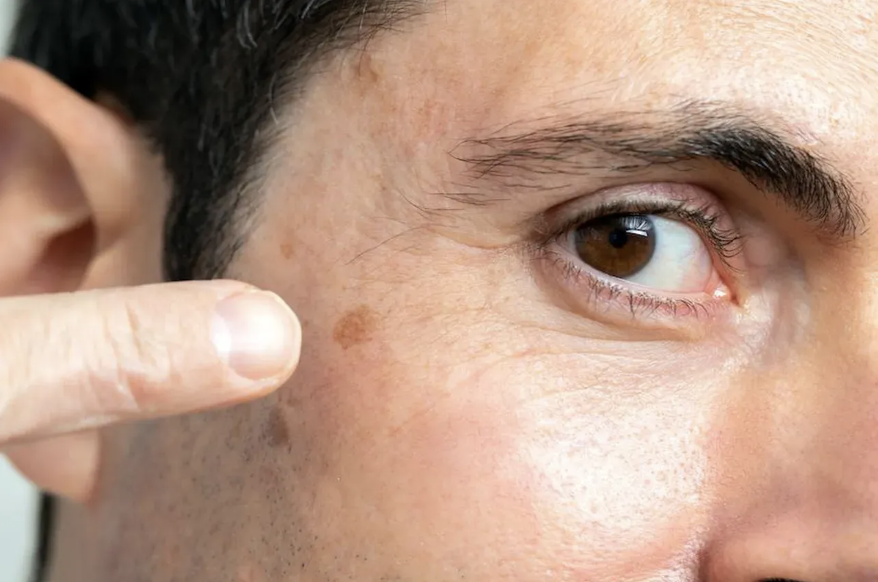
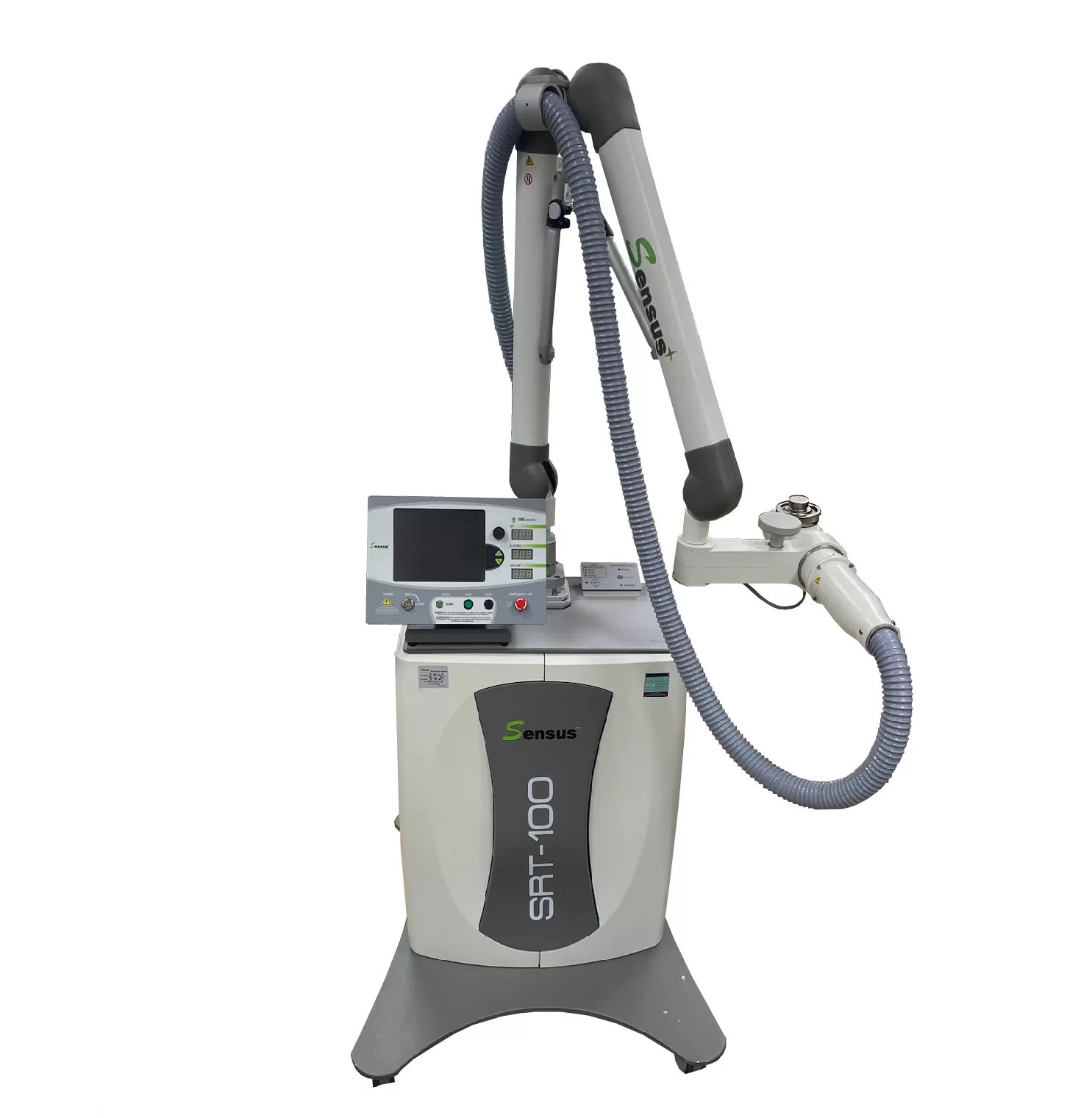
Orlando Dermatology Center offers Image-Guided Superficial Radiation Therapy (IG-SRT) — a non-surgical, non-invasive treatment for non-melanoma skin cancer and keloid scars, available at our Oviedo, Florida location. Using ultrasound-guided SRT technology, our board-certified dermatologist precisely targets cancer cells or scar tissue with low-dose radiation while protecting surrounding healthy skin — no surgery, no stitches, no downtime. Many patients now ask about this treatment by various names including image-guided SRT, ultrasound-guided superficial radiation therapy, or non-surgical skin cancer treatment. Whatever you call it, Orlando Dermatology Center has been performing this advanced procedure for years with excellent results. Our SRT-100+™ machine delivers the same image-guided, ultrasound-monitored superficial radiation therapy that patients seek when looking for a surgery-free alternative to Mohs for basal cell and squamous cell carcinoma. The board-certified dermatologist and plastic surgeons collaborate on your treatment plan to ensure the best cosmetic outcome. They can treat non-melanoma skin cancers and challenging keloid scars on an outpatient basis using advanced ultrasound-guided SRT technology. Medicare and most commercial insurance plans cover SRT for skin cancer treatment. Call our Oviedo, Florida office to schedule a superficial radiation therapy consultation or book an appointment online today. What is superficial radiation therapy (SRT)? SRT is a skin cancer therapy that uses low doses of radiation to destroy nonmelanoma cancer cells in the upper layers of the skin. This treatment is an effective option for keloid scar removal and prevention after scar surgery. Orlando Dermatology Center specializes in the use of high-frequency ultrasound imaging and SRT to treat skin cancer. The dermatology team uses modern equipment like SRT-100™ technology to provide excellent cure rates and the best possible cosmetic outcome. The team manages all facets of skin cancer treatment, including early identification and diagnosis, SRT procedures, ultrasound monitoring, and follow-up care. High Frequency Ultrasound for Measuring and Monitoring Skin Cancers Our clinic uses Superficial Radiation Therapy (SRT) to safely and effectively treat non-melanoma skin cancers. We enhance precision by using Episcan high-frequency ultrasound to accurately measure and monitor skin cancer depth throughout the treatment, ensuring optimal radiation doses tailored to each patient's unique condition. This integrated approach allows for real-time adjustments, reducing the risk of recurrence and minimizing damage to healthy surrounding tissue, resulting in improved outcomes and better patient comfort. What can I expect during superficial radiation therapy? The SRT-100 technology delivers low-dose radiation into the skin to destroy cancerous cells without harming healthy tissue nearby. At Orlando Dermatology Center, the noninvasive treatment is available on an outpatient basis, so you can go home soon after your procedure. During your treatment, you lie on an exam table and the team marks the treatment area with special ink. They place a lead shield over healthy tissue in the area to protect it from radiation. Using SRT-100 technology, the providers direct a beam of low-energy radiation into the top layers of your skin to destroy cancer cells. Your dermatologist carefully calibrates the dose of radiation you receive throughout the 15 to 30-minute treatment. The precision of the technology ensures radiation targets only the cancerous cells to prevent damage to healthy tissue. The team also uses high-frequency ultrasound imaging for accurate cancer measurement over the course of your treatment. If you’re undergoing SRT after keloid scar removal surgery, the team directs the beams of radiation into the treatment area to eliminate cells that form keloid scars. What follow-up care do I need after superficial radiation therapy? Orlando Dermatology Center’s board-certified dermatologists provide comprehensive after-care following SRT procedures for skin cancer and keloid scars. After SRT, you can expect to return to the office for a skin evaluation. The team uses ultrasound imaging to ensure treatment destroys all cancerous cells or cells that cause keloid scars. They also confirm no new skin abnormalities are present. The consistent care the team provides improves your overall outcome and protects the long-term health of your skin. Call the Orlando Dermatology Center office near you to learn more about the benefits of superficial radiation therapy or book an appointment online today.
Reviewed by Dr. Vitaly Blatnoy, MD — Board-Certified Dermatologist, Fellow of the American Academy of Dermatology. View credentialsLast reviewed June 2026.
Insurance & financing: Medically necessary dermatology is covered by most major insurance plans. Cosmetic treatments are eligible for CareCredit financing. See accepted plans & financing.
Available at 1 Location
Ready to Schedule Your Superficial Radiation Therapy — Image-Guided SRT (IG-SRT) Consultation?
Accepting new patients at all locations. Book online or call today.
Book Appointment